There is a trade-off between the breadth of coverage of a topic and the amount of detail I can reasonably include.
For example, Preparing for Winter will inevitably contain less detail on the critical timing of Varroa control than my talk on Rational Varroa control, because I also have to discuss woodpeckers, feeding and hefting the hive etc.
If you want to know why it's not possible to schedule your Varroa treatments using the calendar, you need the detailed talk.
In my experience talks are best appreciated when they 'fit' with the expectations of the audience and the beekeeping season. For example, talks on Varroa control in autumn, talks on DIY in winter and talks on bait hives or queen rearing in early spring.
These are synopses of the talks that I currently offer:
1. Bigger queens, better queens
In this talk I outline our current understanding of how colonies rear queens; the swarm, supersedure and emergency responses, queen mating and the number of drones the queen mates with, whether workers move eggs, which larvae the colony chooses to rear queens from and the maternal effect contributed by the queen. And, of course, why this is important.
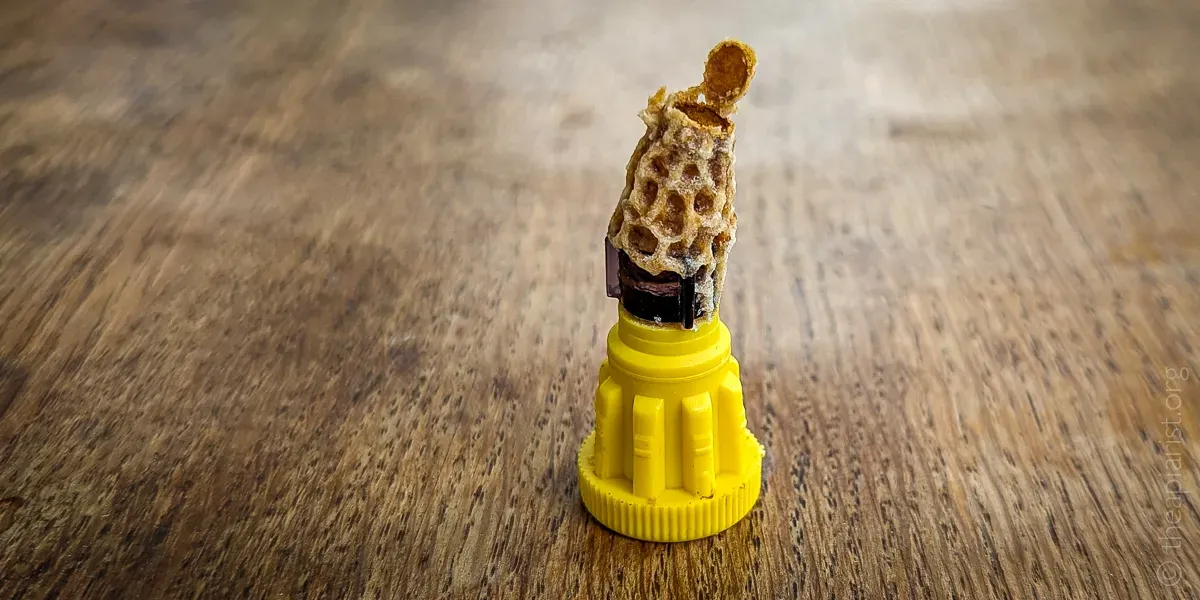
I then use this information to discuss how beekeepers can exploit these studies for their queen rearing. Perhaps surprisingly, this understanding is likely to help inexperienced beekeepers that have been hesitant to attempt queen rearing (or who have been previously unsuccessful), and those with lots of experience but who are interested in producing bigger, better queens.
2. Rational Varroa control
Varroa remains the greatest threat to bees and beekeeping. The mite, and the viruses it transmits, are responsible for most overwintering colony losses. To avoid these mite levels must be minimised. This presentation discusses some science behind why Varroa and viruses are a threat to our bees before moving on to practical beekeeping considerations including how and when to control Varroa in your hives.
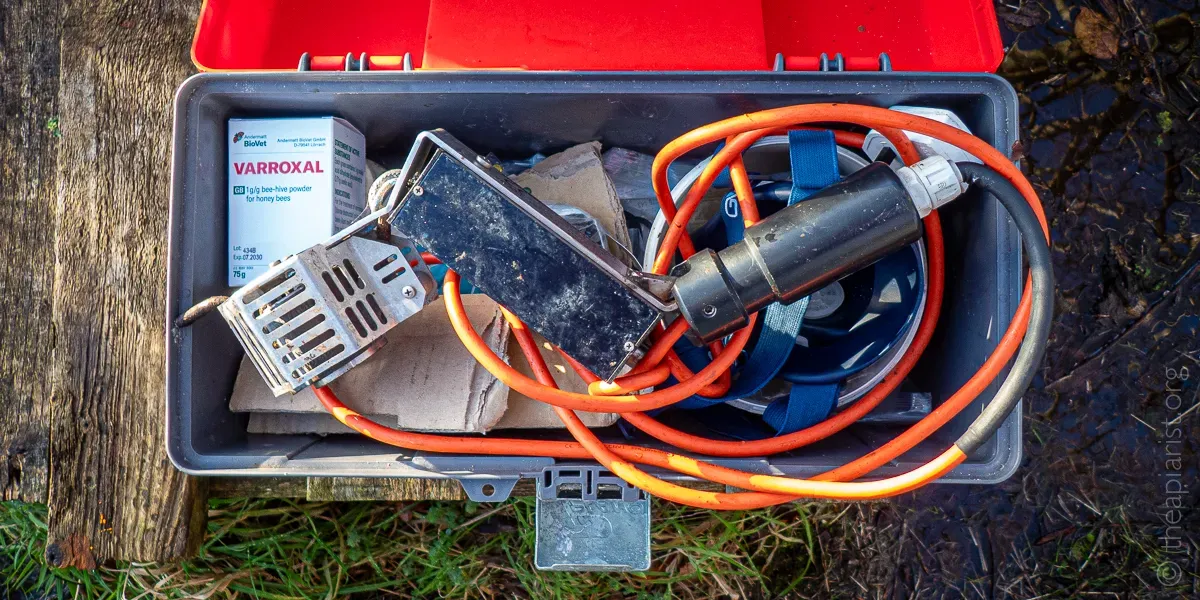
Many beekeepers treat at the wrong time of the season, or use the wrong treatment, for maximal effect. In addition to a late summer and midwinter treatment (which should be all that are needed for successful Varroa management) the opportunities to treat in the middle of the season, the importance of managing Varroa in swarms and the strategic, landscape-scale, management of Varroa are also discussed.
3. Bait hives
This talk covers theoretical and practical aspects of swarms and bait hives. Starting with a brief overview of honey bee colony reproduction, I then cover the role of scout bees in identifying a new nest site, the process of swarming, bivouacking and then relocation to the chosen location. After a brief digression into capturing swarms, I then discuss setting up bait hives, the choice of box, its location and contents. This covers both scientific studies and how these findings can best be applied to practical beekeeping.
Discussion of the contents of the bait hive necessitates another digression into using foundationless frames, which offer particular benefits for bait hives. The talk closes with an overview of what you can expect to observe when scout bees find and favour your bait hive, and the things you need to do having attracted a swarm – these include moving it somewhere else and managing the Varroa that also arrive with the swarm.
4. Queenright queen rearing
Queen rearing gives both tremendous satisfaction and independence to beekeepers. Loss of a swarm or a queen, or the need to make increase, are easily solved if you rear your own queens. Beekeepers can rear queens of comparable quality to most commercially raised queens with a little effort. This talk is aimed at beekeepers with a year or two of experience who are interested in rearing a few queens each year. It is a gentle introduction to the subject and describes an effective and economical approach that employs methods that can be readily scaled as needs and experience increase.
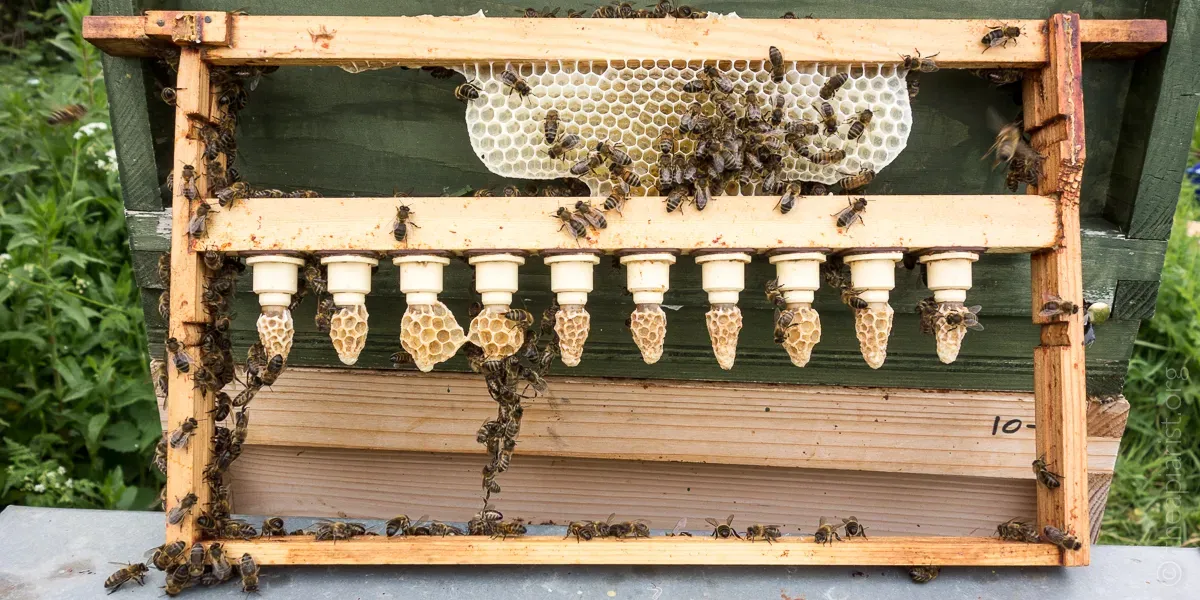
The talk covers the importance of the quality of the starting material – the larvae and drones – and the necessity for good record keeping. It moves on to cover the practicalities of grafting larvae (much easier than most beekeepers realise), cell raising and getting queens mated from nucleus colonies. The talk does not try to cover the myriad of different queen rearing strategies, but instead focuses on methods achievable by beekeepers with as few as 1–3 colonies and limited additional specialist equipment.
If requested, I can include a brief overview of teaching practical queen rearing in a beekeeping association – using the same methods, but distributing grafted larvae for cell raising and queen mating.
5. DIY for beekeepers
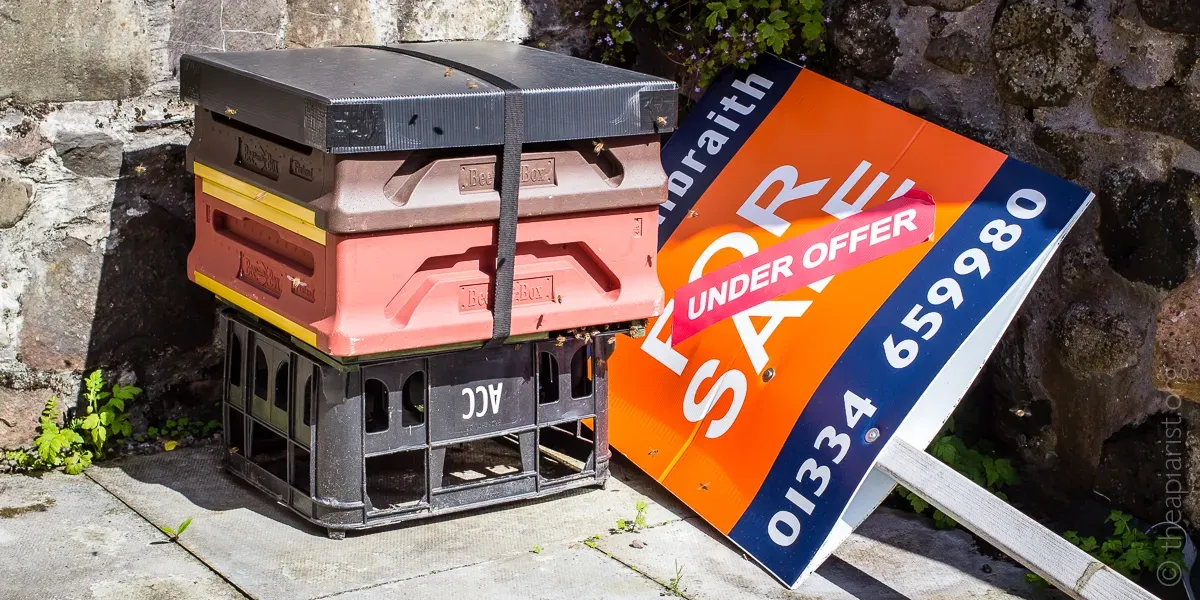
This talk covers topics as diverse as recycled For Sale signs, the number of jars of honey it takes to pay for a Toyota Hilux (and how to easily move hives slightly more economically), foundationless frames and wasp-resistant hive entrances. It is an entertaining look at some of the things that either aren’t available commercially, or that can be built at home both better and cheaper.
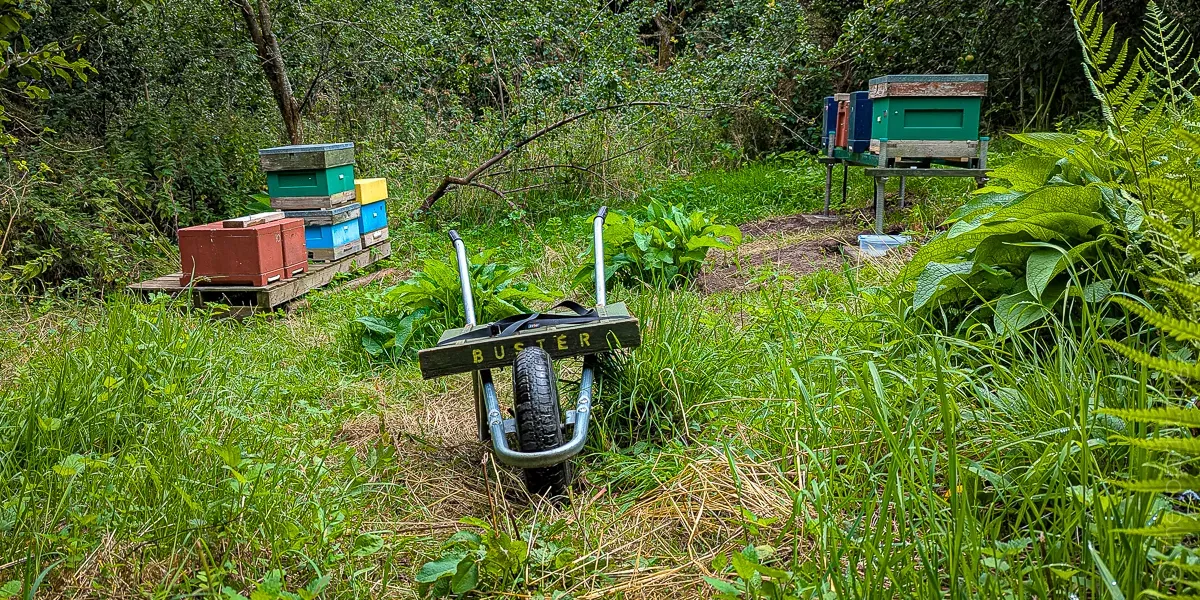
None of the items discussed require any specialist, expensive (or even power) tools … though a pizza cutter will come in useful. Several of the items described have won prizes in beekeeping shows (for readers of The Apiarist, unfortunately not for me). This is an ideal talk for late autumn or early winter when beekeepers have a little more time on their hands. It is intended to convince you that the bees don't need fancy woodwork, and to inspire you to build something yourself.
6. Bee sheds
In the same way that bee hives provide shelter for the bees, bee sheds or shelters protect the beekeeper and the hives from the elements. Although often seen in continental Europe they are rarely used in the UK. They provide significant advantages in areas with poor weather or for beekeepers who must visit their hives on particular days – for example, due to commitments during the working week that necessitate all inspections are conducted on the (inevitably) rainy weekends.
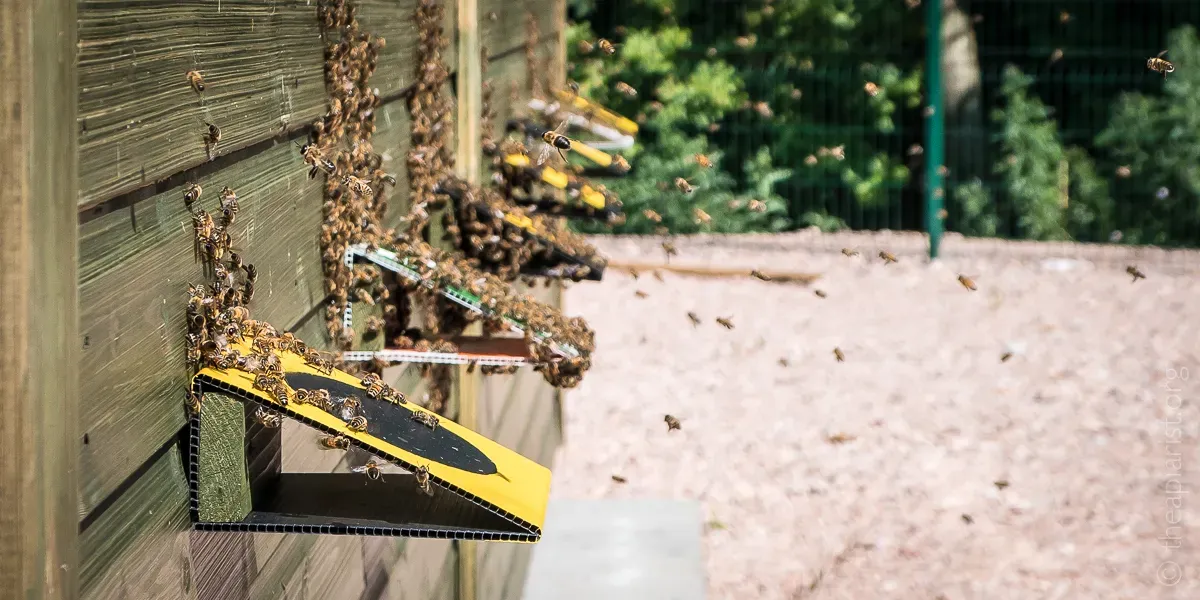
My experience with bee sheds has evolved over 8+ years, using them to house colonies for scientific research (and honey production). The talk covers the advantages and disadvantages bee sheds offer and provides advice on what works well (and on some failures learnt the hard way!).
If the weather forecast says “mainly dry” you know it’s likely to rain, probably as you wriggle into your beesuit. This isn’t a problem if you house your bees in a shed.
7. The nucleus option
This talk covers choosing and using nucleus hives. I discuss what to look for when purchasing poly nucs and how to prepare them for use. There are a myriad of uses for nucs. I cover the preparation of a nucleus colony, moving (or not moving) it to another apiary, splits and the importance of a balanced population of bees. I also discuss using nucs for swarm control, queen mating and queen rearing, feeding bees in nucs (and feeders), overwintering nucs and selling nucleus colonies.
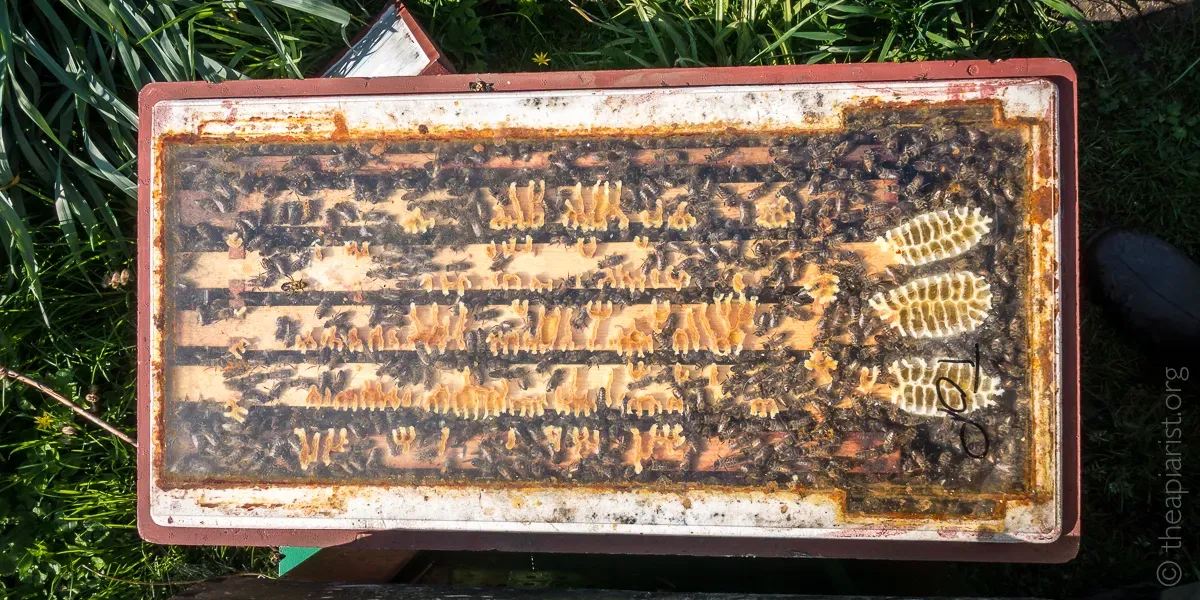
In addition to the use of 'full size' nucs I also discuss using mini-nucs for queen mating, covering some designs available, populating mini-nucs with young bees and overwintering colonies in mini-nucs. Although mini-nucs are rather specialised, a standard nucleus hive is arguably one of the most useful and most flexible pieces of beekeeping equipment, and beekeepers should know how to choose and use them.
'Overview' talks
I'm sometimes asked for overview talks. Because of the breadth of the topics, the coverage of individual components is inevitably rather superficial. 'Preparing for the season ahead' mentions bait hives, but the full bait hive talk is far more comprehensive and a lot more fun (to deliver or listen to). Frankly, these talks could be just as well delivered by one of your more experienced association members. However, for completeness, I include them here …
8. Preparing for winter
Winter is the season when more colonies succumb – to disease, starvation, queen failures or natural disaster – than any other time of the year. In the UK, annual overwintering colony losses are regularly as high as 20-30%. Proper preparation for winter, a process that starts in August, is essential if losses are to be minimised.
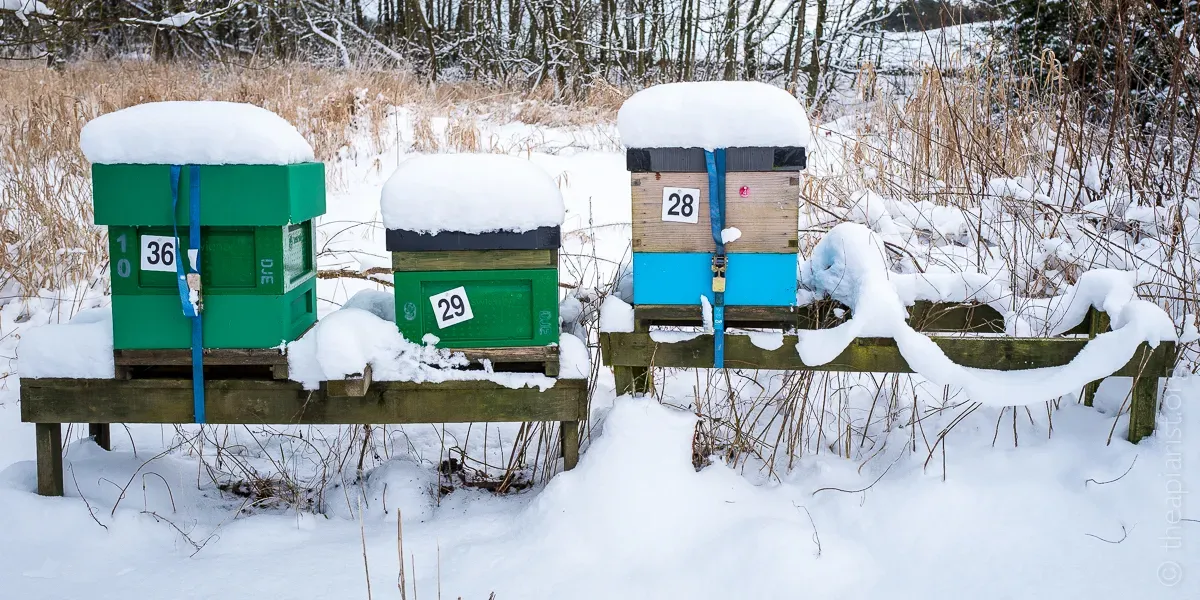
This talk covers the essential components of that preparation; the features of the bees themselves that aid successful overwintering, the preparation and protection of the hive, feeding the colony in the autumn, and midwinter checks. The second half of the talk focuses on Varroa management in autumn and winter, stressing the key aspects of a rational approach to controlling the mite and the viruses it transmits.
9. Preparing for the season ahead
We know what’s coming in the season ahead, but we’re not quite sure when it will happen. The goal of this talk is to make beekeepers a little more proactive and a bit less reactive. The bees will do whatever they want (as usual!) but with a little preparation the relatively short season can feel a bit less frantic.
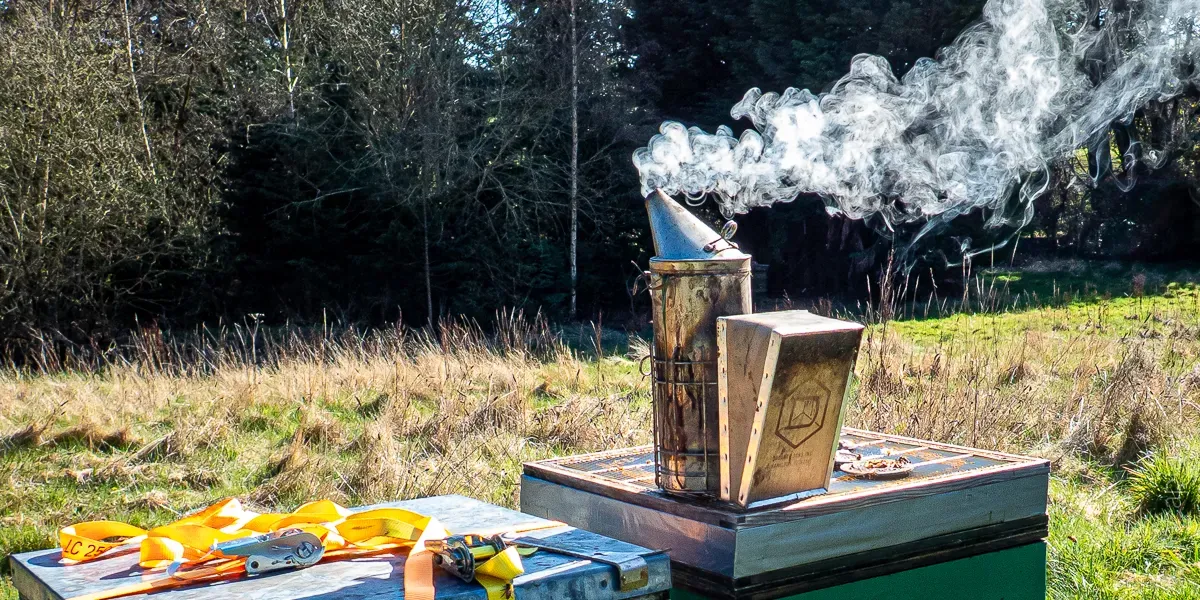
I cover record keeping, equipment needs, feeding, Varroa management and queen rearing. Inevitably, because of the breadth of topics covered, each gets less attention than it would in a dedicated talk. However, focusing on some of these subjects before the season starts should allow beekeepers to think, plan and prepare for events when they (inevitably) happen.
Coming soon
I have a series of talks in preparation. A couple of these may be ready for the winter '26/'27 season, though whether they're finished or not depends upon good weather for photography this summer. And for beekeeping 😄.
The science of swarm control
Natural swarms, artificial swarms, walkaway splits and nucleus colonies. What does science tell us about natural and artificial swarms, and can we use this information to improve swarm control?
Queen rearing for beginners
No grafting!
3D printing for beekeepers
Here's one I prepared printed earlier. The basics of the technology, and an idea of the sorts of useful things you can build, from wasp-resistant hive entrances to queen rearing incubators. Tips, tricks, pitfalls and gotchas. An excellent activity to fill those long, cold, winter months.